Gardeners for Sydenham station area patios and borders: a practical local guide
If you're looking for Gardeners for Sydenham station area patios and borders, you're probably after more than a quick tidy-up. You want a space that feels cared for, works in real life, and looks good from the kitchen window as well as from the patio chair. Near a busy station area, that often means dealing with compact plots, shade from nearby buildings, foot traffic dust, awkward edges, and planting that has to earn its keep.
This guide breaks down how patio and border work is planned, what usually makes the biggest difference, and how to avoid the common mistakes that turn a neat garden into a patchy one. It also explains when to call in a local gardener, what to ask for, and how to get a result that still looks good three months later. Truth be told, that last part is where the real value lives.
For a broader sense of what a professional team can support around the home, you may also find our gardening services page useful, and if you're planning a bigger refresh, the guide to landscaping can help you think through the wider layout.
Why Gardeners for Sydenham station area patios and borders matters
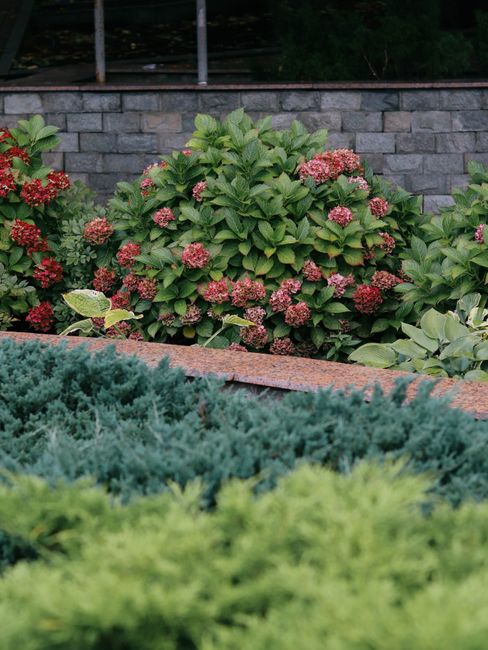
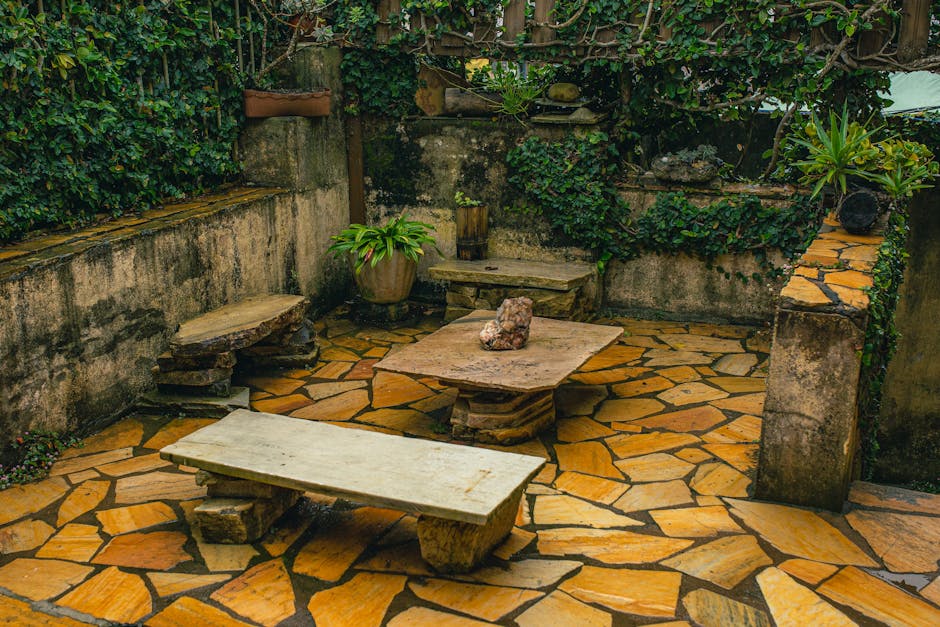
Patios and borders do a lot of heavy lifting in a small urban garden. The patio is where life happens: morning coffee, quick chats, a chair pulled out when the sun finally appears, maybe a wet dog shaking off after a walk. Borders, on the other hand, soften hard edges and stop the garden from feeling like an afterthought. When one is neglected, the other tends to look worse too. A grubby patio beside a scruffy border is much harder to ignore than either problem on its own.
In a station-area setting, that balance matters even more. Pavement dirt, compacted soil, and narrow access routes can make maintenance harder, so the garden needs a practical layout and a planting plan that doesn't fight the space. Good gardeners think about drainage, shade, growth habits, seasonal colour, and how much time you actually want to spend outside pruning on a Saturday morning. Not every border needs to be packed with flowers. Some need structure. Some need calm. Some need to be simple, because life is already busy enough.
That's why the right approach is less about "making it pretty" and more about making it work. A tidy patio can improve the way a whole garden feels. A healthy border can hide awkward boundaries, frame seating, and make even a small outside area feel finished.
How Gardeners for Sydenham station area patios and borders works
Professional patio and border work usually starts with a straightforward assessment. What is the surface made from? Is the patio shaded, slippery, weed-prone, or stained with algae? Are the borders shallow, dry, overgrown, or full of tired soil? A good gardener looks at all of this before suggesting a fix. No point replanting a border if the underlying issue is poor soil or a tree root stealing moisture. That happens more often than people think.
The practical process usually includes:
- clearing debris, leaves, and dead growth
- cutting back overgrown planting and reshaping border edges
- removing weeds properly, including roots where needed
- refreshing soil with compost or other organic matter
- checking drainage and compacted areas near the patio
- choosing plants that suit light levels, aspect, and maintenance goals
- finishing with clean edging, mulching, and a tidy sweep of the patio
There's also the question of sequencing. The patio is best cleaned after major pruning and weeding, not before. Otherwise you end up washing the surface and then dropping fresh debris straight back onto it. A bit annoying, frankly. The best jobs are done in the right order, with the mess removed once and properly.
If your patio needs more than a surface tidy, a dedicated patio cleaning service can make a real difference. And if borders are part of a wider seasonal reset, a well-planned garden maintenance visit can keep the whole space on track rather than patching one area at a time.
Key benefits and practical advantages
Patios and borders look better when they are maintained together. That's the short version. The longer version is that each one supports the other. A clean patio makes planting look more intentional. Strong borders make the patio feel like a destination rather than a slab in the middle of the garden. Simple, but powerful.
- Better first impressions: Clean paving and sharp border lines make the whole garden feel cared for.
- Less weed pressure: Well-edged borders and cleaner joints mean fewer places for weeds to settle in.
- Improved drainage and plant health: Refreshing soil and managing runoff helps avoid soggy or dry patches.
- Safer walking surfaces: Slippery green film on paving is common in shaded spaces and is best dealt with early.
- More usable outdoor space: A patio that feels clean and a border that frames it well makes the garden usable for longer each year.
- Lower maintenance over time: The right planting choices reduce constant cutting back and reworking.
There's a quiet confidence that comes from a neat border edge. You notice it when you step outside in the early evening and the whole garden just feels settled. Nothing flashy. Just right. If you want ideas for low-fuss planting that helps with this, the article on ground cover plants is a useful place to start, especially for tricky border fronts or gaps near paving.
And if privacy is part of the brief, the guide to fast-growing privacy hedges can help you think beyond the patio itself and into the wider enclosure of the garden.
Who this is for and when it makes sense
This kind of work suits a lot of different households. You don't need a large garden to benefit. In fact, smaller gardens often gain the most because every metre has to earn its place.
- Busy homeowners who want a smarter, lower-maintenance space
- Landlords and property managers who need the garden to present well between tenancies
- Older homeowners who want safer, more manageable outdoor areas
- Families trying to keep patios tidy and borders resilient through heavy use
- New movers taking on a garden that has been ignored for a while
- Anyone with a shaded or awkward plot that needs a practical planting plan rather than guesswork
It makes sense to book help when you notice one or more of these signs: weeds are returning quickly after hand-weeding, border plants are flopping or crowding out each other, paving has become slippery, or the whole space looks tired no matter how much you tidy it. If that sounds familiar, you are absolutely not alone.
For neglected spaces, a good first pass can be transformational. The article on reviving a forgotten garden space is especially relevant if the patio and borders have been left to drift for a season or two.
Step-by-step guidance
If you're planning patio and border work yourself, or you want to understand what a gardener should be doing, this is the sort of sequence that usually produces the cleanest result.
- Assess the space in daylight. Look at it from the house, the gate, and seating level. What feels messy first?
- Clear loose debris. Remove leaves, pots, broken stems, and anything blocking edges or drains.
- Tackle weeds properly. Pull or dig them out with roots when possible. Surface removal alone is usually temporary.
- Define border edges. A crisp line between patio and planting bed immediately improves the look.
- Test the soil. Check whether it is dry, compacted, waterlogged, or thin. Border health depends on this.
- Prune and reduce overgrowth. Keep plants in scale with the space, especially near paths and seating.
- Refresh the planting layer. Add compost, mulch, or suitable soil improvement where needed.
- Choose plants for the actual conditions. Light, wind, moisture, and maintenance time should guide the choices.
- Clean the patio surface. Wash, brush, and remove stains only once the border work is done.
- Set a maintenance rhythm. A little routine attention beats a huge rescue job later.
That last step is the one people skip. Then six weeks later, the weeds return, the edge gets fuzzy again, and suddenly the whole thing looks half-finished. A small monthly routine is boring, yes, but it works.
For a more detailed look at tackling unwanted growth, the guide to weed control techniques is a practical companion read. And if you're choosing the right equipment, the article on essential gardening tools is worth a look before you buy anything new.
Expert tips for better results
Here's the thing: patios and borders look their best when the work is subtle. You don't always need to add more. Often you need to remove, trim, balance, and simplify.
- Keep border height layered. Tall plants at the back, medium plants in the middle, low growers at the front. It sounds basic because it is, but it still gets ignored.
- Use repetition. Repeating a few plants or textures feels calmer than filling the border with random one-offs.
- Match plants to the patio mood. A calm seating area benefits from soft foliage and gentle colours, while a family space might need tougher, more forgiving planting.
- Don't crowd the edging. Plants that spill too far onto paving make maintenance harder and encourage dampness.
- Think about winter structure. Borders can disappear in cold months if everything dies back. Evergreen form helps.
- Plan for watering access. A beautiful border is useless if it becomes a chore to reach in hot weather.
In our experience, one of the easiest ways to improve a border quickly is to remove two or three over-dominant plants rather than trying to rescue the whole mix. It feels counterintuitive. Then you stand back and suddenly the rest has room to breathe. Funny how that works.
If wind is a factor around the station area, especially in more open spots, the guide on reducing garden wind exposure offers some genuinely useful thinking. For darker corners, evergreen climbers for shade can help soften hard boundaries without taking over.
And if your garden suffers in colder months, the advice in winter protection tips is worth keeping in mind before the weather turns properly mean.
Common mistakes to avoid
Most patio and border problems are not dramatic. They build up slowly. That's why the mistakes are so easy to miss at first.
- Using the wrong plants for shade or dryness. A plant that looks lovely in a nursery can sulk badly in the wrong spot.
- Ignoring the patio edges. Small gaps and mossy joints are where weeds and damage often begin.
- Overfeeding the border. Too much fertiliser can push soft growth that collapses later.
- Letting one plant take over. A single enthusiastic shrub can crowd out the whole design before you notice.
- Cleaning the patio too aggressively. Harsh methods can damage some paving finishes or loosen jointing.
- Skipping soil improvement. Tired soil keeps producing tired plants. Bit of a theme there.
- Buying plants first and planning second. Always start with the space, not the wishlist.
Another common issue is trying to make borders "low maintenance" by stripping them bare. That usually leaves the area looking unfinished and creates more weed pressure, not less. Better to choose the right ground layer and a manageable plant mix. If you want ideas there, the post on low-cost easy-care garden solutions is a sensible read.
For borders that need deeper structural support, vertical gardening can be a clever way to add interest without using much floor space, especially in tighter plots.
Tools, resources and recommendations
You do not need a van full of equipment to keep patios and borders in shape. But a few good tools make a noticeable difference. More importantly, they save time and reduce mess.
| Tool or resource | Best use | Why it helps |
|---|---|---|
| Border fork or hand fork | Loosening compacted soil and lifting weeds | Better root removal and less soil disturbance than random digging |
| Edging knife | Sharpening the line between paving and beds | Immediately improves definition and reduces spillover |
| Stiff brush | Routine patio sweeping and joint clearing | Keeps debris from settling into paving joints |
| Compost or organic matter | Rebuilding tired borders | Improves texture, moisture retention, and plant performance |
| Mulch | Finishing borders after planting or pruning | Helps suppress weeds and reduce evaporation |
Organic matter is especially helpful if your borders are thin or tired. The article on turning organic waste into fertile soil gives a good sense of why feeding the soil matters as much as choosing the right plant.
If you're starting from scratch or looking to build confidence before taking on a bigger project, the beginner guide to gardening tips for beginners is a calm, practical foundation. And for container-led borders, which can work really well near patios, container gardening ideas are surprisingly useful.
Law, compliance, standards and best practice
Most patio and border work is straightforward domestic gardening, but a professional team should still work carefully and responsibly. That means using sensible safe-working methods, respecting property boundaries, handling waste appropriately, and being clear about what is included in the job. In the UK, good practice is usually about competence, care, and clear communication rather than anything flashy.
For homeowners, the practical side matters most: paths should be kept safe, tools should be used appropriately, and any work near fences, walls, or shared boundaries should be discussed before changes are made. If there are overhanging branches, unstable features, or structural concerns, it's better to pause and assess than to force the issue. Gardening should improve the space, not create a new problem.
Reputable providers will usually have clear policies around safety, payment, complaints, privacy, and insurance. If you're comparing companies, it is sensible to review pages such as health and safety policy, insurance and safety, terms and conditions, and payment and security. Those details are not glamorous, but they do tell you a lot about how a business operates.
If a project involves more than garden tidying, such as reshaping boundaries or replacing tired features, it can also help to understand linked services like fencing, decking services, or tree surgery where relevant. Not every garden needs them, of course. But sometimes one awkward element is dragging the whole scene down.
Options, methods and comparison table
There is more than one way to improve patios and borders. The best option depends on your budget, the condition of the garden, and how hands-on you want to be afterward.
| Approach | Best for | Pros | Trade-offs |
|---|---|---|---|
| Light tidy and reset | Gardens that are generally sound but messy | Quick, affordable, and refreshing | Won't solve deeper soil or drainage issues |
| Border refurbishment | Thin, tired, or overgrown planting beds | Better structure and longer-term improvement | Needs plant selection and some aftercare |
| Patio deep clean plus edging | Slippery or stained paving with messy borders | Strong visual impact and safer surfaces | May need seasonal repeats |
| Full garden refresh | Spaces that have been neglected for a while | Most transformative result | Takes more planning and usually more budget |
If you are unsure which route fits, a conversation with a local team is usually the best next move. A good gardener will not push the biggest package if a lighter intervention will do the job. That's a reassuring sign, honestly. You want judgement, not upsell theatre.
Case study or real-world example
Imagine a compact patio garden near Sydenham station where the paving has gone a little green in the shade, and the borders have become a mixture of self-seeded growth, a couple of exhausted shrubs, and bare patches of soil. The owner has tried routine sweeping and a few hand-pull weed sessions, but the result never lasts. The space feels slightly tired every time it rains, and one corner has turned into a dumping spot for dead pots and old compost bags.
A sensible approach would be to clear the patio, remove the worst weeds, cut back the border to reveal its shape, and then rebuild the planting structure with a small number of reliable plants. The patio would then be cleaned, the joints checked, and the border finished with mulch so new weeds have less chance to settle. If the garden needed extra privacy or a softer background, an evergreen screen or climbing structure could be added later rather than trying to solve everything in one afternoon.
The big win here is not just appearance. It is confidence. The owner starts using the patio again because it feels pleasant to sit on. The border stops looking like a job half-started. And because the maintenance plan is simple, the result lasts. That's the difference between a tidy-up and a proper reset.
If the project is part of a broader recovery, the blog on ivy removal can be especially relevant where old climbers have crept into paving edges or across fences. For tricky seasonal stress, protecting your garden from harsh weather is also worth a read.
Practical checklist
Use this quick list before you book work or start it yourself. It keeps things honest.
- Have I looked at the patio and borders together, not separately?
- Do I know whether the border is dry, shady, windy, or waterlogged?
- Are there weeds coming back from roots, not just surface growth?
- Does the paving need cleaning, joint repair, or just a sweep?
- Have I chosen plants that suit the amount of light available?
- Is the border too crowded, too bare, or just badly arranged?
- Will I need ongoing help, or is this a one-off tidy and reset?
- Have I checked safety, access, and any awkward boundary issues?
- Do I want a low-maintenance finish, or am I happy to do regular care?
- Have I asked for the next sensible step rather than the biggest possible job?
That last one saves a lot of regret. A lot.
Conclusion
Good patios and borders do not happen by accident, especially in compact or busy urban spaces. They come from clear priorities: clean surfaces, healthy soil, sensible planting, and maintenance that fits real life. If you get those parts right, the garden starts to feel easier. Not perfect. Just easier, and better to live with.
For homeowners and landlords around the station area, the best results usually come from thinking in layers: tidy the surface, rebuild the border, then set a simple plan to keep both looking their best. That approach saves time, reduces stress, and makes the garden feel like part of the home again rather than a task that keeps glowering at you from the window.
If you're ready to turn a tired outdoor space into something calm, practical and welcoming, a conversation with a local team is the sensible next step.
Get a free quote today and see how much you can save.
And if you'd like more about the people behind the work, the about us page gives helpful background. For arranging a visit, you can always use the contact page.
Frequently Asked Questions
What do gardeners do for patios and borders?
They typically clear debris, remove weeds, prune back overgrowth, improve border soil, shape edges, and clean the patio surface. The goal is to make the whole area look neat, usable, and easier to maintain.
How often should patios and borders be maintained?
It depends on the garden, but many spaces benefit from seasonal attention plus lighter routine care. Patios may need more frequent sweeping in shaded or leaf-prone spots, while borders usually need regular edging, weeding, and deadheading.
Can a small patio garden still look good with simple planting?
Yes, absolutely. In fact, smaller gardens often look better when planting is restrained and purposeful. Repeating a few good plants and keeping border structure clear usually works better than trying to cram everything in.
What is the best way to stop weeds in patio joints?
Start with proper removal, not just surface pulling. Keep joints clear of soil and leaf litter, brush them regularly, and avoid letting debris build up. If weeds keep returning, the patio may need a deeper clean or joint maintenance.
Do shaded patios need different plants in the borders?
Yes. Shaded areas need plants that tolerate low light and slower drying soil. It's better to choose for conditions rather than for appearance alone, otherwise you end up replacing weak plants later. A bit of planning goes a long way here.
Is patio cleaning safe for all paving types?
Not always. Some paving can be damaged by harsh methods or overly aggressive pressure. A careful assessment should come first so the surface is cleaned in a way that suits the material and finish.
What should I ask before hiring a gardener for patios and borders?
Ask what the job includes, whether weeds will be removed at root level, how the patio will be cleaned, what plant or soil improvements are recommended, and whether ongoing maintenance is available. Clear answers are a good sign.
Can borders help make a patio feel more private?
Definitely. Borders can frame the seating area, soften boundaries, and support screening with the right plants. For taller privacy solutions, hedging or climbers may also be useful depending on the layout.
What if my garden has poor soil and keeps drying out?
Then soil improvement matters as much as planting. Adding compost, using mulch, and choosing drought-tolerant plants can make a big difference. Sometimes the fix is less about more watering and more about better soil structure.
How do I know whether I need garden maintenance or landscaping?
If the space just needs tidying, pruning, and surface care, maintenance is probably enough. If you want to change the layout, replace major features, or redesign the overall feel of the garden, that starts to move into landscaping.
Can a gardener help make a border lower maintenance without making it bare?
Yes. The trick is choosing durable plants, using ground cover where appropriate, mulching properly, and setting the border up so it naturally resists weeds and crowding. Low maintenance does not have to mean dull. Far from it.
How do I get started if my patio and borders are both messy?
Start with a simple assessment and tackle the worst practical issues first: debris, weeds, broken edges, and overgrowth. Once the space is under control, it becomes much easier to decide whether you need a light tidy, a border reset, or a fuller refresh.