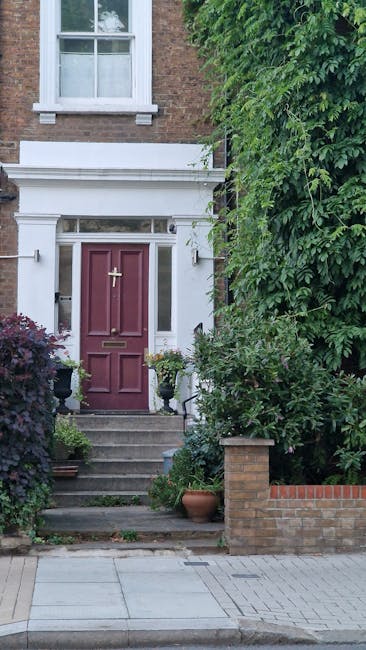
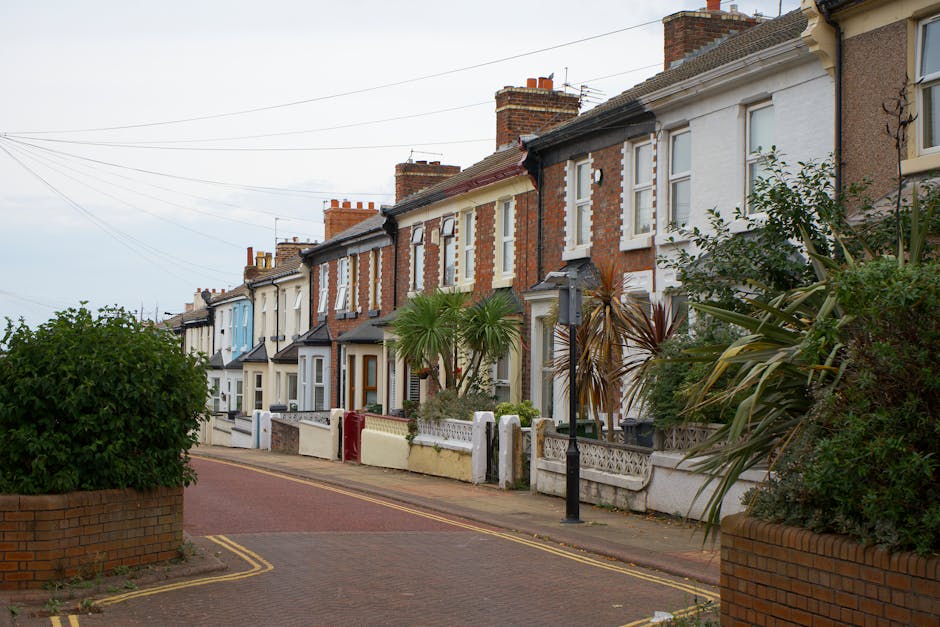
SE26 Gardeners Guide for Forest Hill Road Front Gardens
Front gardens along Forest Hill Road in SE26 have a job to do. They greet visitors, soften the street scene, and quietly set the tone for the whole property. That sounds simple enough, but in practice front garden work in this part of South East London needs a bit of judgement: the space may be narrow, the soil may be tired, the pavement may feel exposed, and the look has to work in all seasons. This SE26 gardeners guide for Forest Hill Road front gardens brings those pieces together so you can plan something attractive, practical, and easy to live with.
Whether you want a low-maintenance frontage, better privacy, cleaner edges, more seasonal colour, or simply a front garden that does not look weary by February, the basics are the same. Start with the space you actually have, then choose plants and materials that suit the street, the light, and the amount of upkeep you are genuinely prepared to do. Truth be told, that last part matters more than people expect.
Along the way, you will find practical steps, a comparison table, a local-friendly checklist, and a few honest pointers on what tends to go wrong. If you want a more tailored conversation about your garden, you can also reach out through the contact page.
Table of Contents
- Why SE26 gardeners guide for Forest Hill Road front gardens Matters
- How SE26 gardeners guide for Forest Hill Road front gardens Works
- Key Benefits and Practical Advantages
- Who This Is For and When It Makes Sense
- Step-by-Step Guidance
- Expert Tips for Better Results
- Common Mistakes to Avoid
- Tools, Resources and Recommendations
- Law, Compliance, Standards, or Best Practice
- Options, Methods, or Comparison Table
- Case Study or Real-World Example
- Practical Checklist
- Conclusion
- Frequently Asked Questions
Why SE26 gardeners guide for Forest Hill Road front gardens Matters
Front gardens are more than decoration. On a busy residential road, they create the first impression before anyone reaches the front door. On Forest Hill Road, that impression often has to do a lot of work in a small footprint. A front garden may need to balance kerb appeal, drainage, privacy, light access, and day-to-day practicality. If it feels cluttered, overgrown, or bland, the whole property can lose presence.
There is also a street-level effect. A well-kept front boundary, a tidy path, and a planting scheme that suits the scale of the house can make the whole frontage feel calmer. In our experience, even modest changes such as edging, a fresh mulch layer, or the right hedge shape can make a surprising difference. Not dramatic in a flashy way. Just better. Cleaner. More settled.
This matters especially in SE26 because front gardens often sit close to paving, parked cars, foot traffic, and reflected heat from walls or paving. That means the plants need to be tougher than they look, and the layout needs to survive ordinary life. Think bin days, wet winters, dry spells, and the occasional "I'll just leave the delivery there" moment.
If you are planning a broader refresh, it can help to look at the garden as a whole rather than just the visible border. A tired front space often improves fastest when the basics are addressed first, much like the approach outlined in reviving a forgotten garden space.
How SE26 gardeners guide for Forest Hill Road front gardens Works
The guiding idea is straightforward: match the design to the site, then build in enough resilience that the garden still looks good with normal maintenance. A front garden is not the place to choose high-drama plants that need constant babysitting unless you genuinely enjoy that sort of thing. Some people do. Most people, to be fair, do not.
Here is the practical flow:
- Assess the conditions. Check sun, shade, wind exposure, soil quality, access, and how much room you have to move around the bed.
- Define the purpose. Do you want privacy, colour, structure, pollinator interest, storage for bins, or a low-maintenance look?
- Choose the framework. Paths, edging, boundaries, hedges, or low walls usually matter before the flowers do.
- Select planting that fits. Use plants that can handle the frontage and the workload: evergreen structure, ground cover, hardy perennials, or containers where needed.
- Plan maintenance from day one. A frontage should be easy to weed, prune, water, and sweep.
That last step is where many projects succeed or fail. A beautiful front garden that is awkward to maintain quickly becomes a stressful one. If you know you want something easier to keep under control, the ideas in low-cost, easy-care garden solutions are especially useful for front spaces.
Front gardens also work best when they are layered. A low evergreen base, a few seasonal highlights, and one or two upright features can create depth without crowding the area. If you need shade or screening, a well-chosen climber can do a lot without eating valuable ground space. That is where evergreen climbers for dark corners can be a smart reference point.
Key Benefits and Practical Advantages
A good front garden does several jobs at once. It is not just about looking neat, although that matters too. The real benefits are more layered than that.
- Stronger kerb appeal: A coherent frontage makes the property feel cared for and intentional.
- Better street privacy: Carefully placed hedges, climbers, or planting can soften sightlines without making the place feel shut off.
- Lower ongoing effort: Smart plant choices reduce weeding, watering, and replacement work.
- Improved drainage and soil health: Mulch, permeable surfaces, and healthy planting help the space function better through wet weather.
- Safer access: Clear paths and edges reduce trip hazards and keep the entrance practical.
- Seasonal interest: Evergreen structure means the garden still looks composed in winter, not just in May.
There is a quieter benefit too: a good front garden changes how you feel when you come home. You see it from the pavement, then from the window, then again when you step outside. If it feels ordered and alive, the whole house tends to feel more settled. Bit sentimental, maybe, but it is true.
For boundaries and screening, some households prefer layered planting rather than hard barriers. Others want a firmer edge. If that is where you are leaning, it can be worth comparing planting-led solutions with structural options like fencing or a tidy privacy hedge approach.
Who This Is For and When It Makes Sense
This kind of front-garden guidance is useful for a few different people.
- Homeowners who want a better first impression without overcomplicating the design.
- Landlords who need a frontage that stays presentable between tenancies.
- Busy families who want attractive planting that will not demand constant attention.
- Older residents looking for easier access, less bending, and lower maintenance.
- New movers who have inherited a front garden that needs a clear reset.
- Design-conscious owners who want the frontage to match the character of the house.
It makes sense when the garden feels like an afterthought, when the plants are too tall for the space, when weeds keep taking over, or when the entrance simply does not reflect the property. Sometimes the issue is not the whole layout. Sometimes it is just one stubborn feature, such as ivy that has taken on a life of its own. If that sounds familiar, tips for permanent ivy removal can be a useful read.
And if you are starting from scratch? That is fine too. A lot of front gardens begin as awkward rectangles with one tired shrub and a patch of compacted soil. Nothing fancy. The opportunity is in the reset.
Step-by-Step Guidance
Below is a practical way to tackle a Forest Hill Road front garden without getting lost in endless options. Keep it simple, then refine.
1. Clear the space and see what is really there
Remove dead growth, litter, self-seeded weeds, and any obvious debris. Once the clutter is gone, you can judge the bones of the garden properly. You might notice better light than expected, or you might realise the path is narrower than you thought. Both are useful discoveries.
2. Check soil and drainage
Front gardens in built-up areas often have compacted soil. Dig a small test patch. If it feels sticky and waterlogged, you may need organic matter and better structure. If it is dry and dusty, you may need compost and regular watering in the establishment phase. Good soil is rarely glamorous, but it does the heavy lifting.
3. Decide on the main role of the garden
Ask yourself one honest question: what should this space do first? Should it screen, soften, welcome, or stay almost maintenance-free? The answer should drive the design. If privacy matters, use structure. If colour matters, include seasonal layers. If ease matters, lean into resilient shrubs, ground cover, and containers.
4. Build the structure before buying plants
Set the edges, define the access, and think about height changes. A neat border, a clear path, or a simple focal point can make even modest planting feel intentional. For small front gardens, strong structure stops the space from looking busy. That is a good thing.
5. Choose planting in layers
A practical layout often includes:
- Back layer: evergreen shrubs, slim hedging, or a screen
- Middle layer: hardy perennials and seasonal flowers
- Front layer: low ground cover, edging plants, or small containers
Ground cover is especially useful where weeds are a problem or where soil dries too quickly. For a deeper look at planting that suppresses weeds and softens hard edges, see ground cover plants for UK gardens.
6. Add a maintenance routine from the start
Plan for regular sweeping, light weeding, deadheading, and hedge care. If you do not want to manage it yourself, build in support from a professional maintenance service. A front garden stays attractive when the work is regular and modest, not when it is postponed until a full weekend disappears.
Expert Tips for Better Results
Small choices usually make the biggest difference. Here are the ones that tend to pay off.
Use repetition, but not too much. Repeating one or two plants or materials creates calm. Repeating too many things creates a bit of a parade, which is rarely what you want in a front garden.
Keep heights sensible near the entrance. A front door should feel welcoming, not hidden. Taller screening works best where it protects privacy without blocking light or making the path feel tight.
Choose plants that cope with roadside conditions. Wind, occasional pollution, splashback, and dry spells all matter. If your frontage gets battered by weather, the advice in safeguarding your garden from harsh weather conditions is worth folding into your plans.
Mulch is underrated. A fresh mulch layer helps with moisture retention, soil condition, and weed suppression. It also makes a garden feel finished. In a front garden, that polished look matters.
Container planting can solve awkward spots. If the ground is poor, paved, or too shallow for proper borders, containers give you flexibility. They work especially well for rented homes or small front patios. For ideas, have a look at container gardening.
Think about the view from inside as well as from the road. A frontage that looks good through the window on a wet Tuesday morning can be surprisingly uplifting. Simple, yes. But useful.
And one more thing: if your garden is exposed to gusty corners or funnelled wind, do not fight the site. Work with it. The article on tackling excessive wind can help you shape the design around the conditions rather than pretending they are not there.
Common Mistakes to Avoid
Most problem front gardens do not fail because of one huge mistake. They fail because a few small things add up. The same mistakes show up again and again.
- Choosing plants for a magazine look, not a real street: Pretty, yes. Sustainable, maybe not.
- Letting hedges grow too wide: They swallow paths, reduce light, and create maintenance headaches. If hedge work is part of your plan, hedge trimming services may be a better fit than a once-a-year chop.
- Ignoring weeds at the start: A few small weeds become a much larger job very quickly. The guide on effective weed control techniques is a useful reset point.
- Overfilling small beds: Too many species in a tight space make the frontage feel restless.
- Forgetting winter structure: A front garden should still hold its shape in the cold months.
- Using awkward access routes: If gardeners cannot reach the bed cleanly, upkeep becomes harder and more expensive.
- Skipping drainage checks: Waterlogged front gardens can look fine in summer and fail badly by winter.
There is also the common "I'll sort it later" mistake. Later rarely arrives on its own. A small, consistent maintenance routine is what keeps the garden from sliding backwards.
Tools, Resources and Recommendations
You do not need a van full of equipment to improve a front garden, but a few sensible tools make the work smoother. The main thing is not owning everything; it is using the right things at the right time.
Helpful tools usually include:
- hand fork and hand trowel
- secateurs for light pruning and deadheading
- long-handled pruners for awkward stems
- stiff broom for paths and edging
- garden gloves that actually fit properly
- watering can or hose access for new planting
- spade and fork for soil improvement
- edging tool for clean borders
If you are building confidence, a simple starter routine is often better than trying to do everything at once. The article on gardening tips for beginners is a good companion for that kind of phased approach.
For bigger projects, it helps to work with a service that can handle maintenance, planting, pruning, and layout changes in a joined-up way. You may also want support for turf, paths, or wider renovation work. Relevant pages include garden maintenance, lawn care, patio cleaning, landscaping, tree surgery, and general gardening services.
If you prefer to understand the team behind the work first, the about us page is a good place to start.
Law, Compliance, Standards, or Best Practice
Front gardens do not usually involve heavy regulation, but there are still a few practical and legal-minded points to keep in view. This is where a bit of caution helps.
Boundary and visibility: Keep planting, hedges, and structures from creating unsafe sightlines near paths, drive access, or entrances. A neat front garden should not make it hard to see or be seen.
Hedges and overgrowth: If plants grow beyond your boundary or begin to obstruct access, they may create inconvenience for neighbours or visitors. Best practice is to keep growth managed before it becomes a dispute. Simple enough, but it saves hassle.
Work at height and tooling: If you are pruning, lifting, or clearing near walls, railings, or awkward slopes, use safe methods. If the job is beyond comfortable DIY, a professional approach is wise. The site's health and safety policy and insurance and safety information are worth reviewing when choosing a provider.
Waste handling: Green waste should be removed or composted responsibly. For larger clear-outs, ask how waste is managed rather than assuming it will disappear magically. It does not, unfortunately.
Service transparency: If you are commissioning work, it is sensible to read the terms and conditions, payment and security information, privacy policy, cookie policy, complaints procedure, and modern slavery statement. Those pages say a lot about how a business works, and they help set expectations before any job begins.
Options, Methods, or Comparison Table
Different front gardens need different approaches. Here is a straightforward comparison to help you decide what fits Forest Hill Road conditions best.
| Approach | Best for | Advantages | Drawbacks |
|---|---|---|---|
| Ground cover planting | Weedy borders, awkward edges, small beds | Helps suppress weeds, softens hard lines, stays low | May take time to establish |
| Privacy hedges | Road-facing gardens, exposed plots, screening needs | Strong structure, evergreen options, better privacy | Needs trimming and enough width |
| Container planting | Paved frontages, poor soil, rental homes | Flexible, tidy, easy to refresh | Needs watering and seasonal attention |
| Minimalist hard landscaping | Very small spaces, low-visibility sites | Simple upkeep, clean look | Can feel stark if overdone |
| Mixed planting scheme | Most family homes and standard front gardens | Balanced, attractive, adaptable | Requires careful planning to avoid clutter |
For many SE26 front gardens, a mixed scheme is the sweet spot. A bit of structure, a bit of softness, and a maintenance plan that does not get out of hand. Not glamorous, perhaps. But it works.
Case Study or Real-World Example
Imagine a typical Forest Hill Road frontage: a modest bed beside a short path, patchy soil, a tired shrub, a couple of weeds that have somehow become tenants, and a front door that would benefit from more presence. Nothing unusual there.
The first move would not be to buy a trolley-load of plants. It would be to clear the bed, define the edge, and decide whether the space needs screening or simply better structure. A low evergreen shrub in the back layer, a hardy ground cover across the front, and two matching containers near the entrance would already change the feel of the space. Add mulch, tidy the path, trim any overreach, and the frontage starts to look deliberate.
In one common scenario, the homeowner wants privacy from the road but does not want the house to look barricaded. The answer is usually layered screening rather than a solid wall of planting. A slim hedge, a lower underplanting, and perhaps a vertical feature near the side boundary can give privacy without closing the frontage in. If the side corner is gloomy, a climber or upright structure can help, and the ideas in vertical gardening are handy for that kind of problem.
Another common situation is winter disappointment. The garden looked fine in summer, then the leaves dropped, the flowers vanished, and the whole thing felt empty. That is where evergreen structure and decent spacing earn their keep. A front garden should not only survive the warm months. It should hold its shape when the sky turns grey and the mornings get sharp.
Practical Checklist
Use this checklist before starting or refreshing a front garden on Forest Hill Road.
- Check how much sun, shade, and wind the area gets.
- Inspect the soil for compaction, dryness, or waterlogging.
- Remove weeds, dead plants, and loose debris.
- Decide whether the main goal is privacy, colour, structure, or low maintenance.
- Measure the available space before buying plants.
- Keep paths, steps, and entrances clear.
- Choose a mix of evergreen and seasonal planting.
- Use ground cover where weed pressure is high.
- Consider containers if the border is too small or the soil is poor.
- Add mulch after planting to help retain moisture.
- Trim hedges and climbers before they become awkward.
- Plan a simple monthly maintenance routine.
Practical summary: The best front gardens are usually the ones that look calm because they were designed with maintenance in mind. A smart layout, the right plants, and regular light care beat expensive overcomplication almost every time.
Conclusion
A strong front garden in SE26 does not need to be large, expensive, or complicated. It needs to suit the road, the house, and the amount of care you can realistically give it. That is the heart of the SE26 gardeners guide for Forest Hill Road front gardens: make the space work first, then make it beautiful.
If you remember only three things, make them these. Start with structure. Choose resilient planting. Keep maintenance simple enough that you will actually do it. That combination gives you the best chance of a frontage that looks good in July, still feels ordered in November, and does not become a burden by spring.
Get a free quote today and see how much you can save.
And if you are standing at the gate wondering where to begin, begin small. One bed. One border. One clean line. Honestly, that is often enough to change how the whole garden feels.
Frequently Asked Questions
What makes a front garden suitable for Forest Hill Road in SE26?
A suitable front garden is one that handles local conditions well: road exposure, compact spaces, light changes, and regular day-to-day use. It should look neat and be easy to maintain.
Which plants are best for a low-maintenance front garden?
Hardy evergreen shrubs, tough perennials, and reliable ground cover are usually the best starting point. Containers can also help when soil quality is poor or space is limited.
How do I make a small front garden look bigger?
Use fewer plant types, keep lines clean, and avoid overcrowding. Repetition, simple edging, and a small number of well-placed focal points usually make the space feel larger.
Is a hedge better than fencing for privacy?
It depends on the look you want and how much maintenance you can tolerate. Hedges feel softer and greener, while fencing is more direct and structural. Many homes use both in different parts of the frontage.
How often should front garden hedges be trimmed?
That depends on the growth rate, but many hedges benefit from regular shaping rather than infrequent hard cuts. Light, routine trimming usually keeps them healthier and tidier.
What is the biggest mistake people make with front gardens?
Overplanting is a big one. It can make the space look busy, block access, and create more maintenance than the garden can realistically support.
Can I use containers instead of a planted border?
Yes, absolutely. Containers are a strong option for paved or awkward front gardens, and they let you refresh the look more easily through the year.
How do I deal with weeds in a front garden?
Start by clearing them early, then use ground cover, mulch, and regular maintenance to prevent them returning so quickly. If weeds are well established, a more thorough reset may be needed.
Do I need professional help for a front garden redesign?
Not always, but professional help is useful if the space has poor drainage, overgrown hedges, awkward access, or a layout that needs proper reshaping. It can save time and avoid costly missteps.
What should I ask before booking a gardening service?
Ask what is included, how waste is handled, what safety measures are in place, and how pricing works. It is also sensible to review service terms before agreeing to any work.
How can I make the front garden look good all year?
Build in evergreen structure, choose plants with different seasons of interest, and keep the layout simple enough that it still looks composed in winter. Good bones matter more than flashy flowers.
Where can I get help with a front garden project in SE26?
You can start by exploring relevant service pages such as gardening services, garden maintenance, and the contact page to discuss your front garden needs.