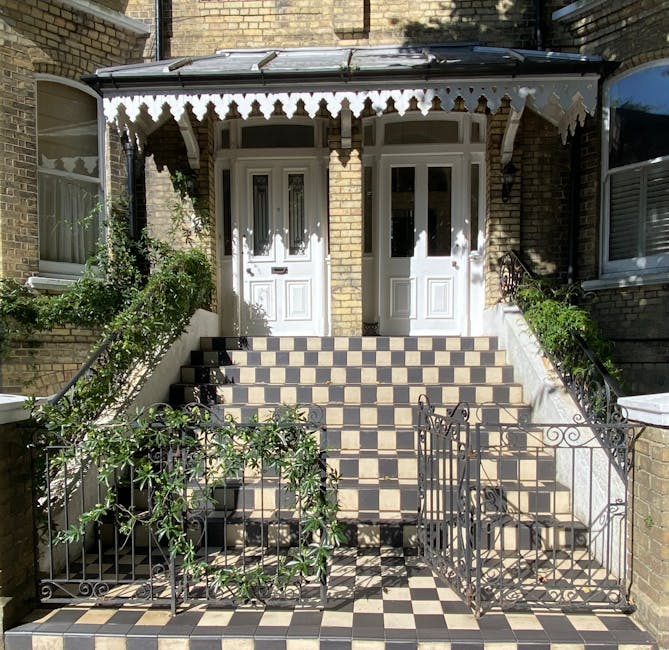
Sydenham gardeners for Victorian terraces near Crystal Palace
Victorian terraces near Crystal Palace have a charm that is hard to fake: narrow side returns, compact back gardens, old brick walls, shady corners, and just enough space to make every decision matter. If you are looking for Sydenham gardeners for Victorian terraces near Crystal Palace, you probably want more than routine tidying. You want a garden that feels respectful of the house, works with the space you have, and does not become a weekend battle. Fair enough.
In this guide, we will look at what makes terrace gardens different, how local gardeners approach them, what to prioritise first, and how to avoid the expensive little mistakes that tend to creep in. You will also find practical steps, a comparison table, a checklist, and a few honest observations from the sort of jobs these gardens usually need. Let's face it, a Victorian terrace can be beautiful, but it can also be a bit of a puzzle.
Table of Contents
- Why Sydenham gardeners for Victorian terraces near Crystal Palace Matters
- How Sydenham gardeners for Victorian terraces near Crystal Palace Works
- Key Benefits and Practical Advantages
- Who This Is For and When It Makes Sense
- Step-by-Step Guidance
- Expert Tips for Better Results
- Common Mistakes to Avoid
- Tools, Resources and Recommendations
- Law, Compliance, Standards, or Best Practice
- Options, Methods, or Comparison Table
- Case Study or Real-World Example
- Practical Checklist
- Conclusion
- Frequently Asked Questions
Why Sydenham gardeners for Victorian terraces near Crystal Palace Matters
Victorian terraces are not generic plots. They often have a long, narrow shape, older soil, boundary walls, awkward access, and a mix of sun and shade that changes through the day. Add the microclimate around Crystal Palace, with pockets of wind, shade from buildings, and gardens that can dry out quickly in summer, and you start to see why the right approach matters.
A good gardener working on a terrace near Crystal Palace is not just there to cut back growth and sweep up. They need to understand structure, planting rhythm, drainage, visibility from the house, and how to make a small space feel bigger without turning it into a sterile courtyard. That is a different skillset from working on a large suburban lawn.
There is also the heritage side of things. Many Victorian terraces still carry original features such as brickwork, railings, coal-cellar access, old paving, or boundary walls. These details deserve care. Heavy-handed work can make a garden look flat or even damage the character of the property. The best local gardeners tend to work with the house, not against it.
If your garden feels overgrown, heavily shaded, cramped, or just a little neglected, you might start with a reset rather than a redesign. A structured approach such as reviving a forgotten garden space often makes the next decisions much clearer.
How Sydenham gardeners for Victorian terraces near Crystal Palace Works
The process usually begins with an honest assessment. Not a dreamy mood board. A real look at what the garden does across the day, how wet or dry it gets, where people actually walk, and which features are worth keeping. In terrace gardens, the answer is often: less than you think, but more than you first notice.
From there, local gardeners tend to work in layers:
- Clear the practical problems first - weeds, dead growth, ivy, damaged edging, poor drainage, and unsafe branches.
- Protect the structure - walls, fences, paving, steps, gates, and access routes.
- Improve the planting framework - beds, borders, containers, climbers, hedges, and ground cover.
- Set up maintenance that fits real life - not ideal life, real life.
That last point matters. A terrace garden near Crystal Palace should be manageable in wet weather, summer heat, and the odd forgetful fortnight. The best results come from choosing plants and materials that can hold up under everyday use, not just for the first two weeks after planting.
For some homes, the work is mostly maintenance. A service such as garden maintenance can keep things tidy without starting from scratch. For others, the brief is more specific: hedge shaping, careful pruning, ivy removal, or a complete layout rethink. If the space has become hard to use, a staged approach linked to landscaping is often the smoother route.
Key Benefits and Practical Advantages
The value of hiring Sydenham gardeners for Victorian terraces near Crystal Palace is not just visual, though a tidy terrace garden does look excellent from the kitchen window on a grey Tuesday morning. The real benefit is how much easier the space becomes to use and maintain.
Here are the main advantages:
- Better space planning - narrow gardens need strong proportions, sensible pathways, and planting that does not swallow the entire plot.
- Improved light and airflow - crucial for preventing damp-looking corners and helping plants stay healthier.
- More privacy without bulk - screening can be done with climbers or layered planting instead of tall, overpowering barriers.
- Lower upkeep - the right mix of shrubs, perennials, and ground cover can reduce weekly chores.
- Safer access - especially where uneven paving, old steps, or slippery patio areas are involved.
- Stronger property presentation - useful for owners, landlords, and anyone preparing a home for sale or letting.
One subtle benefit is peace of mind. When a garden has a sensible structure, you stop mentally filing it under "things I must sort out someday". That alone changes how a home feels.
For privacy, fast-growing screening can be a game changer in terrace plots. A well-chosen hedge is often a better fit than a solid fence, especially where neighbours are close by. If that sounds familiar, take a look at rapidly expanding privacy hedges for planting ideas that suit UK gardens.
Who This Is For and When It Makes Sense
This kind of gardening support suits a fairly wide range of homeowners and tenants, but the need is especially clear in a few situations. Ask yourself: is the garden starting to feel like an extra job rather than part of the house?
- Homeowners with narrow Victorian back gardens who want a cleaner, more usable outdoor space.
- People near Crystal Palace with shaded plots where the soil stays cool and damp in some areas but dries fast in others.
- Busy households that need low-maintenance planting and reliable upkeep.
- Landlords and managing agents who need a neat, presentable garden between tenancies.
- Pet owners and families who need safer surfaces, durable planting, and clear circulation space.
- Anyone dealing with overgrown ivy, weeds, or boundary issues that are creeping into brickwork or neighbouring spaces.
It makes sense when small problems are starting to pile up. A few weeds become a whole border. Ivy gets into a wall and suddenly you are not looking at a tidy green screen, you are looking at a maintenance issue. Not glamorous, but very real.
If you are unsure where to start, a conversation with a local team through the contact page is often enough to clarify the next step. No drama, just a proper look at the space.
Step-by-Step Guidance
If you are planning work on a Victorian terrace garden, the most sensible approach is to break it into stages. That way you avoid paying to fix the same problem twice. Been there, as they say, and it is not fun.
- Walk the garden at different times of day. Morning light, midday sun, evening shade - they all change what will grow well. A north-facing return, for example, is a very different beast from a sunny patio.
- Identify the pain points. Make a short list: weeds, poor drainage, messy borders, broken paving, overgrown hedges, or lack of privacy.
- Decide what stays. Keep any healthy mature shrubs, established climbers, or original features worth preserving. Victorian gardens often have more good bones than they first appear to.
- Clear the worst clutter. Remove dead growth, invasive plants, loose debris, and anything blocking access. If ivy has become a problem, it may need a careful removal plan rather than a quick pull.
- Repair the ground plane. Level uneven patches, refresh edging, and decide whether the patio or path needs pressure washing or replacement.
- Choose a planting scheme that matches the space. In a narrow terrace, vertical interest, layered planting, and selective repetition work better than lots of unrelated specimens.
- Build maintenance into the design. If you know you will not deadhead daily, choose plants that forgive a bit of neglect.
- Set a seasonal routine. Spring tidy, summer watering, autumn cutback, winter protection. Simple, but it works.
If the whole thing feels a bit overwhelming, that is normal. A lot of terrace gardens look like they need a redesign when, truth be told, they mainly need a reset and a bit of structural thinking.
For larger tidy-up jobs, especially where weeds have taken hold, a targeted approach based on effective weed control techniques can prevent a lot of backtracking later.
Expert Tips for Better Results
There are a few terrace-garden habits that consistently improve results. Small things, really, but they make a surprising difference.
- Use repetition. Repeating a plant or material gives a narrow garden calm and rhythm. Too many one-off choices can make the space feel busy.
- Work vertically. Victorian terraces usually benefit from height more than width. Climbers, trellis, wall planting, and slim screening can create depth without losing ground space.
- Pick the right ground cover. Bare soil in a compact garden often becomes weedy soil. Ground cover softens edges and reduces maintenance. A useful starting point is ground cover plants for UK gardens.
- Do not overcrowd the border. It is tempting, especially in a small space, but plants need air movement and room to mature.
- Watch the wind. Some Crystal Palace gardens are more exposed than they first appear. If your planting keeps flopping over, the issue may be shelter rather than species choice. There is a good reason people look at solutions for excessive wind.
- Protect the brickwork. Old walls and ivy do not always get along. Sometimes they are beautiful together, sometimes they are a slow headache.
Another practical tip: use containers strategically. They are not a fallback option; in a terrace, they can be the feature. A row of pots by a back door or a couple of tall planters can shape the whole garden without making it feel cramped. If you want a deeper dive, container gardening ideas are worth a look.
And one more, because it is easy to forget: winter matters. A lot. If your garden looks tired by February, the problem is often a lack of structure and protection. The guide on safeguarding your garden during winter is a good reminder that terrace gardens need year-round thinking.
Common Mistakes to Avoid
Most terrace-garden problems are not dramatic disasters. They are little misjudgements repeated over time. That is what makes them annoying.
- Choosing plants for a magazine look instead of the actual site. A sunny front border and a shady back court are not the same environment.
- Ignoring access. If the gardener cannot move freely, the work will be slower and may cause damage to paving, borders, or walls.
- Letting ivy run wild. It can be lovely, until it starts hiding defects or getting into mortar. Careful removal is usually the better call.
- Using oversized features. Big furniture and heavy ornamentation can dominate a small terrace and make it feel even narrower.
- Creating too many focal points. One or two strong moments work better than a dozen tiny ones fighting for attention.
- Skipping the soil check. Terrace gardens often have compacted, tired, or uneven soil. Planting into it blindly is asking for trouble.
Sometimes people also over-clean. It sounds odd, but stripping a terrace garden of every bit of texture can leave it feeling cold. A bit of age, a bit of moss on old stone, even some weathering on brick - not everything needs to be erased.
If you are dealing with stubborn climbers or wall growth, it is worth reading up on permanent ivy removal before taking action. The wrong cut in the wrong place can turn a manageable job into a lingering one.
Tools, Resources and Recommendations
You do not need a van full of equipment to make progress, but the right tools do matter. In terrace gardens, compact, sharp, and versatile tools usually win out over bulky gear.
A sensible toolkit often includes:
- pruning shears and loppers for shrubs and climbers
- a sturdy fork and hand trowel for border work
- a rake for clearing leaves and debris from narrow spaces
- a hose or watering cans for targeted watering
- gloves that actually fit
- a pressure washer or patio-cleaning setup where hard landscaping needs attention
For a fuller overview, the article on essential gardening tools is a handy reference. It is one of those things people tend to skim and then remember later when they are standing in the rain, wondering why the secateurs are blunt.
You may also benefit from services rather than tools. If the space needs regular attention, garden maintenance is usually the most practical route. If the lawn is patchy or the front garden needs a neat edge, lawn care and lawn mowing can make the whole property look calmer very quickly.
For hard surfaces, you may also want to consider patio cleaning. It is one of the quickest ways to make a terrace garden feel less tired, especially where algae, leaf stains, or soot have built up.
Law, Compliance, Standards, or Best Practice
Gardening on Victorian terraces does not usually involve heavy regulation, but good practice still matters. You are often working close to boundaries, old materials, shared access, and sometimes neighbouring structures, so care is more than just good manners. It is part of the job.
Here are the main points to keep in mind:
- Boundary respect - if branches, roots, or ivy cross a boundary, talk before cutting unless there is a clear and immediate issue.
- Safe use of equipment - ladders, saws, trimmers, and pressure washers should be used with proper precautions.
- Waste handling - green waste should be removed or composted responsibly, not left in a pile to rot at the back.
- Older structures - Victorian brick, render, and stone can be fragile. Aggressive cleaning or cutting can cause avoidable damage.
- Hedge and tree work - large work may need specialist attention, especially where overhanging branches or height become factors.
Professional teams should also have clear policies around safety, insurance, and customer processes. If you are comparing providers, it is sensible to look at pages such as insurance and safety, health and safety policy, and terms and conditions. It is not exciting reading, I know. But it tells you a lot about how seriously a business treats the work.
For service expectations and budgeting, pricing and quotes can help set a sensible starting point. And if you ever need to raise a concern, a clear complaints procedure is a reassuring sign rather than a red flag.
Options, Methods, or Comparison Table
When improving a terrace garden, there are usually several ways to solve the same problem. The right option depends on budget, access, and how much work you want to take on later.
| Option | Best for | Pros | Trade-offs |
|---|---|---|---|
| Regular maintenance only | Gardens that are mostly healthy but untidy | Cost-effective, fast, easy to keep on top of | Won't solve deeper structural issues |
| Border refresh and planting update | Spaces with good bones but weak planting | Big visual improvement without major disruption | Needs thoughtful plant selection |
| Full landscaping | Severely awkward, damaged, or outdated gardens | Best for layout, drainage, and long-term usability | More disruptive and usually more involved |
| Specialist structural work | Walls, fencing, tree issues, or hard boundary problems | Deals with safety and property protection | May need separate trades or staged work |
In a lot of Sydenham terraces near Crystal Palace, the winning combination is not one method but a mix: tidy the site, repair the hard edges, then introduce planting that suits shade, movement, and time constraints. Simple, not simplistic.
If you need greater privacy at the back or along a boundary, many people pair structural changes with planting. In that case, a blend of fencing and living screening can feel softer than a hard boundary alone.
Case Study or Real-World Example
Picture a typical Victorian terrace garden near Crystal Palace: narrow path, tired lawn, a side wall with old ivy, and a back border that has slipped into a mix of brambles, weeds, and one stubborn shrub nobody quite remembers planting. The garden is not hopeless. It is just confused.
The first visit focuses on clearance and observation. The ivy is assessed before any cutting begins, because the wrong removal method could damage the wall or leave the root system active. The patio gets cleaned, weeds are removed, and the border is thinned out so the remaining plants can breathe. A little bit of care goes a long way here.
Next comes structure. The garden is divided into clear zones: a simple sitting area, a narrow planting strip, and a screen for privacy. Rather than filling everything with random plants, the design uses repetition and a few vertical elements to create height. A climber is introduced where the wall can take it, while lower planting is used to soften the path edge. If the garden feels exposed, a sheltered planting idea from evergreen climbers can make a lot of sense.
The final result is not just prettier. It is easier to navigate, easier to water, easier to keep tidy, and easier to enjoy on an ordinary evening when you have ten minutes before dinner. That is the real measure, in my view. Not perfection. Usability.
For gardens that need a bit more atmosphere, soft seating and a calmer layout can help too. There are some useful ideas in garden seating guidance and zen garden ideas if you prefer a quieter style.
Practical Checklist
Use this checklist before you book work or start a terrace-garden project:
- Walk the garden and note sun, shade, and damp patches.
- Identify any ivy, invasive weeds, or overgrown shrubs.
- Check whether the patio, paths, or steps are slippery or broken.
- Decide what should stay, what should go, and what can be improved.
- Think about privacy from neighbouring windows and upper floors.
- Consider whether you need maintenance, landscaping, tree work, or a mixture of services.
- Review safety, access, and waste removal needs.
- Choose a planting plan that suits your time and appetite for upkeep.
- Ask for pricing and clarify what is included before work begins.
- Plan for seasonal care so the garden does not slide back after the first tidy-up.
One small but useful addition: if you keep pets, children, or both using the space, that changes the design brief quite a lot. Durable surfaces, safe planting choices, and clear routes matter more than decorative extras. The article on creating a pet-friendly garden is helpful for that sort of planning.
Get a free quote today and see how much you can save.
Conclusion
Sydenham gardeners for Victorian terraces near Crystal Palace are not just about keeping things neat. They are about understanding older homes, tighter plots, mixed light, and the everyday realities of living with a garden that must earn its keep. When the work is done properly, the space feels calmer, looks better from the house, and asks less of you each week.
The best projects usually start with honest assessment, then move into smart clearance, careful repair, and planting that suits the site rather than the latest trend. A terrace garden can be modest and still feel special. In fact, that is often where its charm lies. Small, thoughtful, and properly looked after.
If your garden near Crystal Palace has been bugging you for a while, that is usually a sign to act, not wait. A practical plan now saves a lot of frustration later, and it can turn a forgotten corner into somewhere you actually want to stand with a cup of tea when the evening light comes in. That alone is worth doing well.
Frequently Asked Questions
What do Sydenham gardeners for Victorian terraces near Crystal Palace usually help with?
They typically handle terrace-specific tasks such as garden maintenance, hedge trimming, ivy removal, pruning, lawn care, patio cleaning, and landscaping that suits narrow or older plots.
Why are Victorian terrace gardens different from newer gardens?
They often have tighter access, older materials, more shade, and a more complex layout. That means the work needs to balance practicality, character, and long-term upkeep.
Can a small terrace garden still feel spacious?
Yes. Careful zoning, vertical planting, repeating a few key materials, and keeping the layout simple can make a narrow garden feel calmer and larger than it really is.
Is ivy always a problem on terrace walls?
Not always, but it can become one if it is left unchecked or starts hiding defects. It should be assessed carefully before removal, especially on older brickwork.
What is the best way to improve privacy in a terrace garden?
Many people use a mix of fencing, climbers, and fast-growing hedges rather than relying on one hard screen. That usually looks softer and feels more natural.
How often should a Victorian terrace garden be maintained?
That depends on planting and use, but many gardens benefit from regular seasonal attention plus lighter monthly upkeep. Busy homes often prefer an ongoing maintenance plan.
Do I need landscaping or just garden maintenance?
If the structure is sound and the main issue is tidiness, maintenance may be enough. If the layout, paving, drainage, or planting framework is failing, landscaping is usually the better option.
What should I ask before hiring a gardener?
Ask what services are included, whether waste removal is covered, how they handle safety, whether they have insurance, and how pricing is structured. Clear answers are a good sign.
Are patio cleaning and lawn care worth it for small gardens?
Usually, yes. In a compact terrace garden, clean paving and a healthy lawn or lawn alternative make a big difference to the overall feel of the space.
Can gardeners help make a terrace garden lower maintenance?
Absolutely. They can recommend ground cover, drought-tolerant planting, simpler layouts, and practical materials that reduce the amount of weekly work needed.
What if my garden is neglected and I do not know where to start?
Start with a reset: clear the worst overgrowth, remove weeds, inspect the hard landscaping, and then decide what to keep. A staged approach is usually the least stressful route.
How do I arrange a quote for work near Crystal Palace?
You can get in touch through the site's contact page and request a quote based on the size, access, and condition of your garden. A few photos often help, but even a short description can be enough to begin.